Spelman College
Spelman College
Through Her Eyes: Remembering Dr. Gloria Wade-Gayles
Through Her Eyes: Remembering Dr. Gloria Wade-Gayles
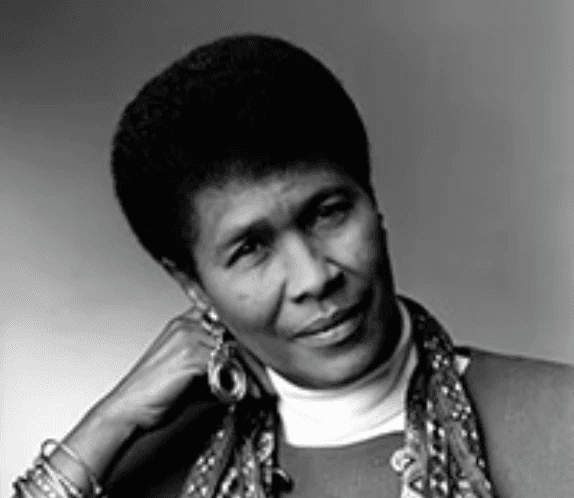
For many Spelman students and faculty, Dr. Gloria Wade-Gayles was more than a professor or colleague, she was also a mentor and friend. Gayles was born July 1, 1937, in Memphis, Tennessee, and passed away on Jan. 27, 2026, at the age of 88 following a heart attack. Gayles first served as a faculty member in the Spelman English Department from 1983 to 1998 and then as part of the Psychology Department from 2001 to 2026.
Beyond being a professor, Gayles served as a mentor, storyteller and the visionary behind the Spelman Independent Scholars (SIS) program. Through the SIS program, Dr. Gayles focused on connecting the stories of Black female centenarians to students through teaching oral history and having guest speakers. Her last recorded interview was especially impactful as she interviewed Ann Nixon Cooper, the aunt of her mentee Dr. Dorian Brown Crosby.
Dr. Dorian Brown Crosby is an associate professor in the Political Science department at Spelman College. She has served as a faculty-mentor and board member for Spelman’s Social Justice Program and the inaugural director of cultural orientation in the Gordon-Zeto Center for Global Education.
Crosby obtained her BA from Spelman College in Political Science while Dr. Gayles was teaching in the English department, but knew Dr. Gayles on a deeper level as she was childhood friends with Dr. Gayles's daughter, Monica Gayles Dorsey.
“ I always just called her Mama G because my relationship with her was so close and she made an effort to understand me,” Crosby said. “The beauty is that she was willing to be everything for me and everyone around her.”
Their relationship deepened over time, as years later, Crosby returned to Spelman as a faculty member in the Political Science department.
“She made that office very welcoming and had books everywhere, but it was really more like a hotel suite with a conference room attached. It was a comforting space and I will never forget when I came back," Crosby said. "She said anytime you need a space to be and relax you are more than welcome to come over. It was who she became to me, she was a welcoming spirit. That physical space was just a manifestation of who she was as a person.”
Gayles’s mentoring spirit did not end with Crosby. This spirit extended out to everyone she had contact with. Her office was open to meet with students and faculty alike, oftentimes providing visitors with snacks and water along with deep conversation and life lessons. Gayle’s focus on preserving oral history within the Black community was more than a professional initiative but a personal practice.
“She believed that the ‘community’ could be anyone and welcomed anyone who could be respectful and open-minded and responsible for their intelligence,” Crosby said.
Gayles's wisdom from talking with centenarians through the SIS program was part of what made her a unique mentor and go-to source for Crosby when she was writing her book on Somalis in the Neo-South.
“She [Dr. Gayles] was so animated that I had this opportunity and could elevate this group. She told me to sit down and do this and that. She helped me read the sentence I was writing and taught me how to listen to my writing and develop an ear to say what I wanted to convey. She saw that I could write the book before I believed,” Crosby said.
Although Gayles passed away, her legacy at Spelman and beyond still stands through the stories she captured, the lives and minds she mentored and the SIS program. If Crosby is any example of the product of Gayles’s mentorship, it is evident that as more time passes, she will be honored and remembered by the students and faculty whose lives she changed. By honoring the lives of others, Gayles ensured that they would never be forgotten.
Now, it is the Spelman community’s responsibility to do the same for her and speak her name and story to future generations.
For many Spelman students and faculty, Dr. Gloria Wade-Gayles was more than a professor or colleague, she was also a mentor and friend. Gayles was born July 1, 1937, in Memphis, Tennessee, and passed away on Jan. 27, 2026, at the age of 88 following a heart attack. Gayles first served as a faculty member in the Spelman English Department from 1983 to 1998 and then as part of the Psychology Department from 2001 to 2026.
Beyond being a professor, Gayles served as a mentor, storyteller and the visionary behind the Spelman Independent Scholars (SIS) program. Through the SIS program, Dr. Gayles focused on connecting the stories of Black female centenarians to students through teaching oral history and having guest speakers. Her last recorded interview was especially impactful as she interviewed Ann Nixon Cooper, the aunt of her mentee Dr. Dorian Brown Crosby.
Dr. Dorian Brown Crosby is an associate professor in the Political Science department at Spelman College. She has served as a faculty-mentor and board member for Spelman’s Social Justice Program and the inaugural director of cultural orientation in the Gordon-Zeto Center for Global Education.
Crosby obtained her BA from Spelman College in Political Science while Dr. Gayles was teaching in the English department, but knew Dr. Gayles on a deeper level as she was childhood friends with Dr. Gayles's daughter, Monica Gayles Dorsey.
“ I always just called her Mama G because my relationship with her was so close and she made an effort to understand me,” Crosby said. “The beauty is that she was willing to be everything for me and everyone around her.”
Their relationship deepened over time, as years later, Crosby returned to Spelman as a faculty member in the Political Science department.
“She made that office very welcoming and had books everywhere, but it was really more like a hotel suite with a conference room attached. It was a comforting space and I will never forget when I came back," Crosby said. "She said anytime you need a space to be and relax you are more than welcome to come over. It was who she became to me, she was a welcoming spirit. That physical space was just a manifestation of who she was as a person.”
Gayles’s mentoring spirit did not end with Crosby. This spirit extended out to everyone she had contact with. Her office was open to meet with students and faculty alike, oftentimes providing visitors with snacks and water along with deep conversation and life lessons. Gayle’s focus on preserving oral history within the Black community was more than a professional initiative but a personal practice.
“She believed that the ‘community’ could be anyone and welcomed anyone who could be respectful and open-minded and responsible for their intelligence,” Crosby said.
Gayles's wisdom from talking with centenarians through the SIS program was part of what made her a unique mentor and go-to source for Crosby when she was writing her book on Somalis in the Neo-South.
“She [Dr. Gayles] was so animated that I had this opportunity and could elevate this group. She told me to sit down and do this and that. She helped me read the sentence I was writing and taught me how to listen to my writing and develop an ear to say what I wanted to convey. She saw that I could write the book before I believed,” Crosby said.
Although Gayles passed away, her legacy at Spelman and beyond still stands through the stories she captured, the lives and minds she mentored and the SIS program. If Crosby is any example of the product of Gayles’s mentorship, it is evident that as more time passes, she will be honored and remembered by the students and faculty whose lives she changed. By honoring the lives of others, Gayles ensured that they would never be forgotten.
Now, it is the Spelman community’s responsibility to do the same for her and speak her name and story to future generations.