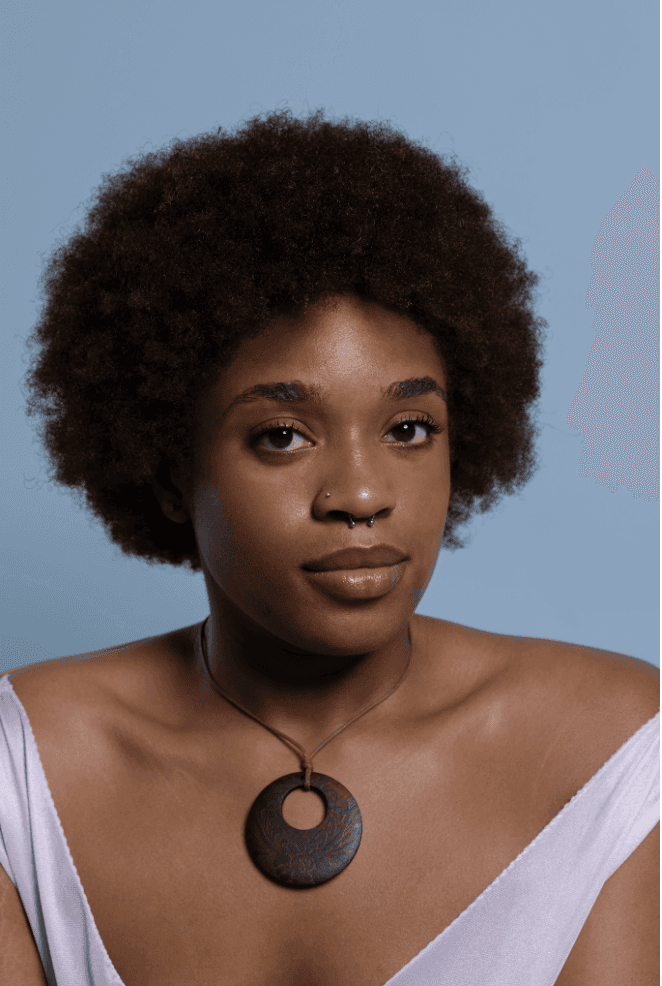
Tai Campbell
Tai Campbell
Soléa’s “CHANGES”: Inside Ashley Rawls’ Sound and Purpose
Soléa’s “CHANGES”: Inside Ashley Rawls’ Sound and Purpose
From Metro Detroit, Ashley Rawls developed a profound and enduring love for music at an early age. Her mother, a singer who grew up performing in a church choir and later played in a band during college, served as an early and lasting influence. Rawls credits her mother’s continued dedication to music as the foundation of her own artistic path.
“I took a lot of my mom’s love for music and held it close to myself. I’ve been doing choir since I was in, like, fourth grade,” Rawls said.
Over time, Rawls cultivated a life immersed in melody and harmonic expression. These formative experiences nurtured her deep appreciation for storytelling through music and shaped the way she understands sound as a technical and emotional medium.
Now a graduating senior at Spelman College, Rawls is earning a degree in music with a concentration in technology. Her academic and extracurricular pursuits have been defined by a commitment to sound design, music production and interdisciplinary artistic practice. She extends her creative focus beyond traditional music production, developing audio and visual work for video games and film.
Performing under the artist name Soléa, Rawls is set to release her debut album, “CHANGES,” on May 22, 2026. Her lead single, “Dance With Me,” has already garnered more than 6,000 streams on Spotify. She will perform selections from the forthcoming project live at JB’s Record Lounge in West End Atlanta on May 8, 2026.
While Rawls spent her childhood curious about music and the ways in which sound is created and shared, she did not fully immerse herself in production until she began her undergraduate studies at Spelman.
“I switched to teaching myself piano later on in high school, and then I took formal lessons. I taught myself bass during quarantine, but I didn’t get into production until I came to Spelman, actually my freshman year,” Rawls said.
Rawls explained that Spelman College provided her with the support system, tools and resources necessary to master the technical aspects of music production. Through her studies, she developed proficiency in Logic Pro, a digital audio workstation used to create, record, edit and mix music.
Rawls emphasized that production involves both creative and technical decision-making.
“Production is creating the beat, the sound itself. Sometimes producers make engineering decisions, like choosing what to include in a mix. That’s how the sounds are all arranged and what levels need to be done," Rawls said. "Sometimes they guide vocalists on what they should sing to match what they produce. It’s allowed me to feel more comfortable and have experiences that inspire my music. Atlanta and Spelman especially have influenced me. I feel safe, supported and surrounded by people who encourage self-expression."
A deeper understanding of the technical aspects of music production allowed Rawls to expand not only her skill set but also her emotional and artistic range. As she grew more confident in her abilities, she began taking ownership of every stage of the creative process, including writing, recording, engineering, producing, singing and performing. This level of creative control provided her with a meaningful outlet for self-expression, enabling her to translate personal thoughts and emotions into fully realized musical compositions.
“I think it has honestly given me an outlet to fully express how I feel and connect with other people. I don’t journal, I cannot journal, so I write instead. I have a lot of feelings, and I used to talk to myself, but it got to a point where that was no longer enough. I needed to put those thoughts somewhere outside of myself, not in a notebook, but in a way where I can make it rhyme and add sound behind the feeling to really experience that emotion. I also think I grew tired of just listening to music without contributing anything of my own. I felt like I had to create something, no matter how small. Music has spoken to me for most of my life, and I have always wanted to get into producing and writing, so I think that is why I produce,” Rawls said.
As Rawls continues to develop her artistic voice, her work situates itself within the longstanding traditions of rhythm and blues, a genre historically rooted in the articulation of intimacy, sensuality and emotional vulnerability. From early pioneers to contemporary artists, R&B has served as a sonic space where musicians explore themes of romance, desire and personal reflection through layered vocal delivery, textured production and evocative lyricism.
With tracks such as “Sacrifice” and her recent single “Dance With Me,” as well as her acoustic performances shared online, Rawls’ approach reflects this lineage through her use of melodic softness and lyrical depth. Her music suggests a deliberate engagement with both personal experience and broader artistic influences, raising questions about how she translates emotion, spirituality and lived experience into sound.
“Music is really the only way I feel I can talk about my sensuality and my relationship to sexuality without feeling judged. I don’t feel comfortable expressing those things openly in conversation, but through music, I feel more confident and able to be honest. I look to artists like Syd from The Internet, as well as Kehlani and Solange" Rawls said. "Syd is very direct in how she expresses sensuality, and Solange approaches it in a more lyrical and metaphorical way. I think my style falls somewhere in between, but it is often more direct and forward. At the end of the day, music is the space where I feel most comfortable expressing that part of myself."
For Rawls, listening to music is not separate from the act of creation but central to it. By consistently engaging with the work of her favorite artists and studying the ways their production is constructed, she deepens her understanding of sound and expands her own creative process. This intentional listening practice allows her to identify specific sonic elements, experiment with them and incorporate those techniques into her own compositions.
“I’m actually listening to music constantly. I don’t think a day goes by without listening to music in my car, my headphones or speakers. When I was making one of the songs that came out, ‘Special Friend,’ I first listened to ‘Glow’ by Kelis. It’s produced by Pharrell, and there’s this introduction where he made a ramp-up that speeds up in tempo and pitch, and I really liked that element, so I recreated something similar later in my song. I take inspiration a lot. When I’m listening, that’s when I start creating. I made about 40 songs for the album, and only nine got released. A lot of them come from listening to music, isolating tracks and figuring out how to recreate sounds,” Rawls said.
While Rawls acknowledges some anxiety surrounding the release of her debut album, she views the project as a culmination of her time at Spelman College and a reflection of her artistic growth. She expressed excitement about sharing the work with her audience, particularly Black women and Black listeners, with the hope that her music offers a sense of comfort, curiosity and inspiration.
She also hopes her peers at Spelman who are interested in entering the music industry will recognize that there is space for them and that they possess the tools to create and pursue their ambitions.
“I’ve put a lot of work into ‘CHANGES,’ about two semesters plus a summer. I’ve been in the studio constantly. I’m excited to finally share it and hear it outside of my own files. It shows that Black women run this industry. We’re writers, producers, engineers, everything. Despite being overlooked, we continue to create and innovate,” Rawls said.
From Metro Detroit, Ashley Rawls developed a profound and enduring love for music at an early age. Her mother, a singer who grew up performing in a church choir and later played in a band during college, served as an early and lasting influence. Rawls credits her mother’s continued dedication to music as the foundation of her own artistic path.
“I took a lot of my mom’s love for music and held it close to myself. I’ve been doing choir since I was in, like, fourth grade,” Rawls said.
Over time, Rawls cultivated a life immersed in melody and harmonic expression. These formative experiences nurtured her deep appreciation for storytelling through music and shaped the way she understands sound as a technical and emotional medium.
Now a graduating senior at Spelman College, Rawls is earning a degree in music with a concentration in technology. Her academic and extracurricular pursuits have been defined by a commitment to sound design, music production and interdisciplinary artistic practice. She extends her creative focus beyond traditional music production, developing audio and visual work for video games and film.
Performing under the artist name Soléa, Rawls is set to release her debut album, “CHANGES,” on May 22, 2026. Her lead single, “Dance With Me,” has already garnered more than 6,000 streams on Spotify. She will perform selections from the forthcoming project live at JB’s Record Lounge in West End Atlanta on May 8, 2026.
While Rawls spent her childhood curious about music and the ways in which sound is created and shared, she did not fully immerse herself in production until she began her undergraduate studies at Spelman.
“I switched to teaching myself piano later on in high school, and then I took formal lessons. I taught myself bass during quarantine, but I didn’t get into production until I came to Spelman, actually my freshman year,” Rawls said.
Rawls explained that Spelman College provided her with the support system, tools and resources necessary to master the technical aspects of music production. Through her studies, she developed proficiency in Logic Pro, a digital audio workstation used to create, record, edit and mix music.
Rawls emphasized that production involves both creative and technical decision-making.
“Production is creating the beat, the sound itself. Sometimes producers make engineering decisions, like choosing what to include in a mix. That’s how the sounds are all arranged and what levels need to be done," Rawls said. "Sometimes they guide vocalists on what they should sing to match what they produce. It’s allowed me to feel more comfortable and have experiences that inspire my music. Atlanta and Spelman especially have influenced me. I feel safe, supported and surrounded by people who encourage self-expression."
A deeper understanding of the technical aspects of music production allowed Rawls to expand not only her skill set but also her emotional and artistic range. As she grew more confident in her abilities, she began taking ownership of every stage of the creative process, including writing, recording, engineering, producing, singing and performing. This level of creative control provided her with a meaningful outlet for self-expression, enabling her to translate personal thoughts and emotions into fully realized musical compositions.
“I think it has honestly given me an outlet to fully express how I feel and connect with other people. I don’t journal, I cannot journal, so I write instead. I have a lot of feelings, and I used to talk to myself, but it got to a point where that was no longer enough. I needed to put those thoughts somewhere outside of myself, not in a notebook, but in a way where I can make it rhyme and add sound behind the feeling to really experience that emotion. I also think I grew tired of just listening to music without contributing anything of my own. I felt like I had to create something, no matter how small. Music has spoken to me for most of my life, and I have always wanted to get into producing and writing, so I think that is why I produce,” Rawls said.
As Rawls continues to develop her artistic voice, her work situates itself within the longstanding traditions of rhythm and blues, a genre historically rooted in the articulation of intimacy, sensuality and emotional vulnerability. From early pioneers to contemporary artists, R&B has served as a sonic space where musicians explore themes of romance, desire and personal reflection through layered vocal delivery, textured production and evocative lyricism.
With tracks such as “Sacrifice” and her recent single “Dance With Me,” as well as her acoustic performances shared online, Rawls’ approach reflects this lineage through her use of melodic softness and lyrical depth. Her music suggests a deliberate engagement with both personal experience and broader artistic influences, raising questions about how she translates emotion, spirituality and lived experience into sound.
“Music is really the only way I feel I can talk about my sensuality and my relationship to sexuality without feeling judged. I don’t feel comfortable expressing those things openly in conversation, but through music, I feel more confident and able to be honest. I look to artists like Syd from The Internet, as well as Kehlani and Solange" Rawls said. "Syd is very direct in how she expresses sensuality, and Solange approaches it in a more lyrical and metaphorical way. I think my style falls somewhere in between, but it is often more direct and forward. At the end of the day, music is the space where I feel most comfortable expressing that part of myself."
For Rawls, listening to music is not separate from the act of creation but central to it. By consistently engaging with the work of her favorite artists and studying the ways their production is constructed, she deepens her understanding of sound and expands her own creative process. This intentional listening practice allows her to identify specific sonic elements, experiment with them and incorporate those techniques into her own compositions.
“I’m actually listening to music constantly. I don’t think a day goes by without listening to music in my car, my headphones or speakers. When I was making one of the songs that came out, ‘Special Friend,’ I first listened to ‘Glow’ by Kelis. It’s produced by Pharrell, and there’s this introduction where he made a ramp-up that speeds up in tempo and pitch, and I really liked that element, so I recreated something similar later in my song. I take inspiration a lot. When I’m listening, that’s when I start creating. I made about 40 songs for the album, and only nine got released. A lot of them come from listening to music, isolating tracks and figuring out how to recreate sounds,” Rawls said.
While Rawls acknowledges some anxiety surrounding the release of her debut album, she views the project as a culmination of her time at Spelman College and a reflection of her artistic growth. She expressed excitement about sharing the work with her audience, particularly Black women and Black listeners, with the hope that her music offers a sense of comfort, curiosity and inspiration.
She also hopes her peers at Spelman who are interested in entering the music industry will recognize that there is space for them and that they possess the tools to create and pursue their ambitions.
“I’ve put a lot of work into ‘CHANGES,’ about two semesters plus a summer. I’ve been in the studio constantly. I’m excited to finally share it and hear it outside of my own files. It shows that Black women run this industry. We’re writers, producers, engineers, everything. Despite being overlooked, we continue to create and innovate,” Rawls said.