Lorna Morris
Lorna Morris
Redefining Student Power: Inside Spelman SGA’s Inaugural Senate
Redefining Student Power: Inside Spelman SGA’s Inaugural Senate
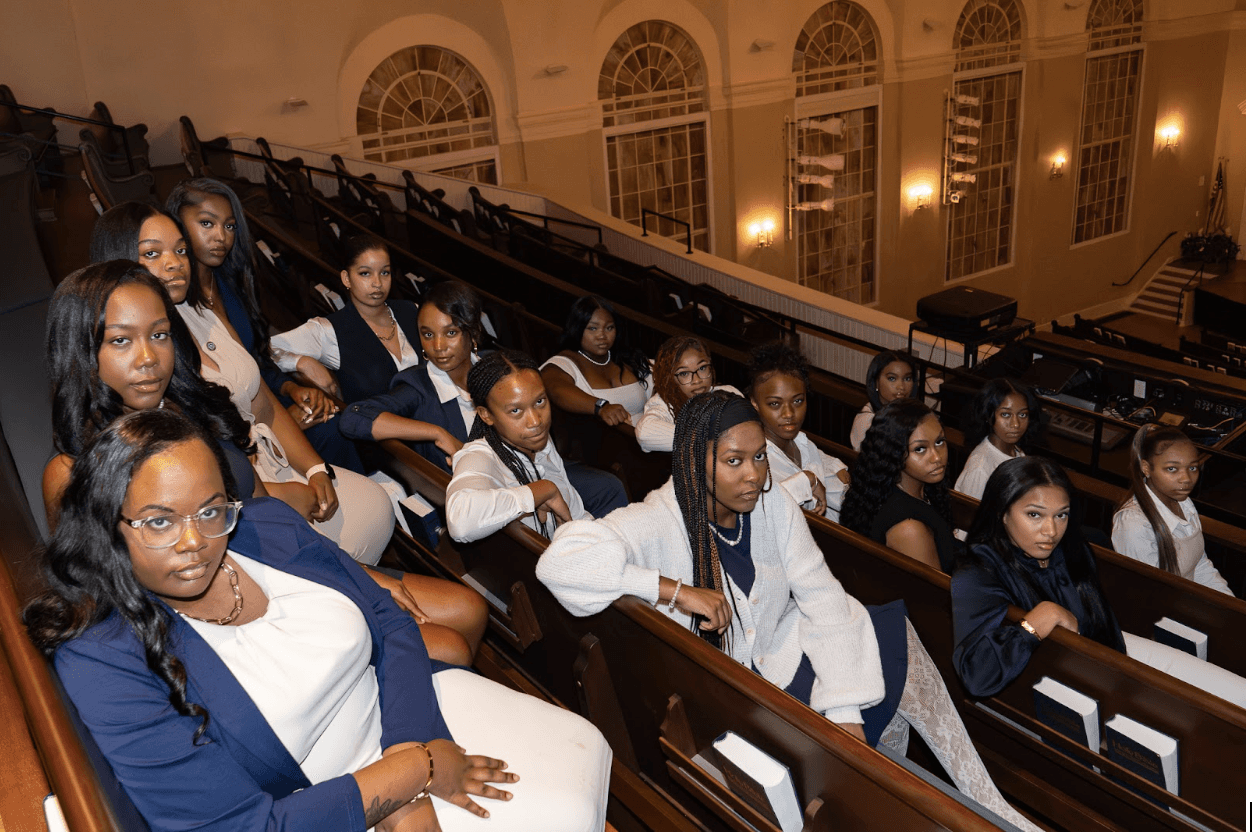
This academic year marks one of the most significant structural shifts in recent student government history at Spelman College: the launch of the Spelman Student Government Association Senate. More than a new body, the Senate represents a deliberate expansion of student participation, policy literacy and shared governance, rooted in the belief that Spelmanites should not only be represented, but equipped to understand how power, process and policy move.
Founded under the leadership of Ryan Bates, Spelman Student Government Association (SGA) vice president, the Senate was created to meet a growing need on campus. Bates, a graduating senior who has served on SGA for four years, described the initiative as the result of years spent observing both the strengths and limitations of existing student government structures.
“It is important to teach government and policy,” Bates said. “If you can start in college, then you should have no problem voting, advocating and being effective in your communities after you leave.”
Rather than centering events or programming, the Senate is designed to draft, debate and advance legislation that directly improves campus life, transforming student concerns into actionable policy.
“The Senate’s purpose is to serve the campus,” Bates said. “It’s not to have events. It’s not to have fun. It’s to change the school for the better.”
At its core, the Senate expands access. With committee-based appointments rather than campuswide campaigns, the Senate is the first entire SGA body to operate without campaigning. This shift allows students who are uncomfortable with the intensity and visibility of campaign season to still engage meaningfully in student governance.
“I want to give you guys an opportunity to shine,” Bates said. “The Senate is a governing body. It teaches you how to make changes that are needed.”
Creating a governing body of students from different classes, majors and lived experiences allows issues to be brought forward that might otherwise go unheard.
In speaking with members of the inaugural Senate, a common sentiment quickly emerged: excitement grounded in responsibility. Sophomore Sen. Anissa McGinnis, who serves on the Enrollment Management Committee, described being drawn to the Senate precisely because it is new.
“It is in its early stages,” McGinnis said. “Which means you really get to build it.”
Her focus on clearer, centralized academic and financial aid resources reflects the Senate’s practical orientation, addressing everyday challenges that shape students’ academic experiences.
“There are a lot of moving pieces,” McGinnis said. “Having things very clearly spelled out would be the first step.”
That focus on practical barriers was echoed by Gabby Hurd, a first-year senator on the Academic Affairs Committee, who emphasized the importance of addressing concerns that often go overlooked. For her, the Senate offers a way to work behind the scenes to improve academic life, from access to mental health accommodations to something as tangible as reliable printing and study spaces.
“I always kind of had an interest in government, but I was never really going to run,” Hurd said. “This felt like a way to get involved behind the scenes.”
For Hurd, that work often centers on concerns that may seem small but have a tangible impact on students’ academic lives.
“I should not have to go to five different buildings just to print one assignment,” she said. “Even if it’s not a big campaign issue, it still matters.”
Other senators view the body through a broader institutional lens. Amira Pinkett, a first-year senator pro tempore, serves as the Senate’s presiding officer in the vice president’s absence and helps guide legislation through the drafting and submission process. As one of the primary liaisons between senators and SGA leadership, Pinkett emphasized listening as central to her leadership philosophy.
“I want to be a listener,” Pinkett said. “It doesn’t have to be a huge problem. If it makes students’ lives easier, it matters.”
While the Senate works in collaboration with campus offices when legislation requires administrative approval, Bates described it as “a continuation of SGA, like a branch,” emphasizing that it operates primarily within the student government structure.
For graduating senior Jada Holloway, who serves on both the Student Affairs and Finance Committees, the Senate’s significance is deeply personal. Inspired by the support she received from Student Affairs during a period of loss, Holloway views the Senate as a space where policy can respond to lived experience.
“Just because I struggled through Spelman doesn’t mean that I can’t also excel,” Holloway said.
She added that serving alongside students with different backgrounds and majors has reinforced the importance of building systems that support students beyond their time on campus.
“There’s power in community,” Holloway said. “You never know what someone is going through.”
Across class years and committees, senators consistently described the same feeling: optimism paired with an acute awareness of legacy. As the inaugural Senate, members are not simply responding to current concerns. They are laying the foundation for future Spelmanites.
“We are creating a framework so that more voices can be heard in student government,” Pinkett said.
Bates echoed that long-term vision. Drawing on her four years within SGA, she expressed hope that the Senate will serve as a training ground for civic engagement, patience and principled leadership.
“Public service is about the students,” Bates said. “It’s about what young Black women do after they cross those gates.”
In that sense, the Senate is more than an addition to SGA’s organizational chart. It is an investment in Spelman’s enduring legacy as a place where leadership is cultivated through service, collaboration and a deep commitment to community. As the inaugural Senate begins working, it does so with clarity of purpose and a shared belief that meaningful change starts with understanding how to build it.
This academic year marks one of the most significant structural shifts in recent student government history at Spelman College: the launch of the Spelman Student Government Association Senate. More than a new body, the Senate represents a deliberate expansion of student participation, policy literacy and shared governance, rooted in the belief that Spelmanites should not only be represented, but equipped to understand how power, process and policy move.
Founded under the leadership of Ryan Bates, Spelman Student Government Association (SGA) vice president, the Senate was created to meet a growing need on campus. Bates, a graduating senior who has served on SGA for four years, described the initiative as the result of years spent observing both the strengths and limitations of existing student government structures.
“It is important to teach government and policy,” Bates said. “If you can start in college, then you should have no problem voting, advocating and being effective in your communities after you leave.”
Rather than centering events or programming, the Senate is designed to draft, debate and advance legislation that directly improves campus life, transforming student concerns into actionable policy.
“The Senate’s purpose is to serve the campus,” Bates said. “It’s not to have events. It’s not to have fun. It’s to change the school for the better.”
At its core, the Senate expands access. With committee-based appointments rather than campuswide campaigns, the Senate is the first entire SGA body to operate without campaigning. This shift allows students who are uncomfortable with the intensity and visibility of campaign season to still engage meaningfully in student governance.
“I want to give you guys an opportunity to shine,” Bates said. “The Senate is a governing body. It teaches you how to make changes that are needed.”
Creating a governing body of students from different classes, majors and lived experiences allows issues to be brought forward that might otherwise go unheard.
In speaking with members of the inaugural Senate, a common sentiment quickly emerged: excitement grounded in responsibility. Sophomore Sen. Anissa McGinnis, who serves on the Enrollment Management Committee, described being drawn to the Senate precisely because it is new.
“It is in its early stages,” McGinnis said. “Which means you really get to build it.”
Her focus on clearer, centralized academic and financial aid resources reflects the Senate’s practical orientation, addressing everyday challenges that shape students’ academic experiences.
“There are a lot of moving pieces,” McGinnis said. “Having things very clearly spelled out would be the first step.”
That focus on practical barriers was echoed by Gabby Hurd, a first-year senator on the Academic Affairs Committee, who emphasized the importance of addressing concerns that often go overlooked. For her, the Senate offers a way to work behind the scenes to improve academic life, from access to mental health accommodations to something as tangible as reliable printing and study spaces.
“I always kind of had an interest in government, but I was never really going to run,” Hurd said. “This felt like a way to get involved behind the scenes.”
For Hurd, that work often centers on concerns that may seem small but have a tangible impact on students’ academic lives.
“I should not have to go to five different buildings just to print one assignment,” she said. “Even if it’s not a big campaign issue, it still matters.”
Other senators view the body through a broader institutional lens. Amira Pinkett, a first-year senator pro tempore, serves as the Senate’s presiding officer in the vice president’s absence and helps guide legislation through the drafting and submission process. As one of the primary liaisons between senators and SGA leadership, Pinkett emphasized listening as central to her leadership philosophy.
“I want to be a listener,” Pinkett said. “It doesn’t have to be a huge problem. If it makes students’ lives easier, it matters.”
While the Senate works in collaboration with campus offices when legislation requires administrative approval, Bates described it as “a continuation of SGA, like a branch,” emphasizing that it operates primarily within the student government structure.
For graduating senior Jada Holloway, who serves on both the Student Affairs and Finance Committees, the Senate’s significance is deeply personal. Inspired by the support she received from Student Affairs during a period of loss, Holloway views the Senate as a space where policy can respond to lived experience.
“Just because I struggled through Spelman doesn’t mean that I can’t also excel,” Holloway said.
She added that serving alongside students with different backgrounds and majors has reinforced the importance of building systems that support students beyond their time on campus.
“There’s power in community,” Holloway said. “You never know what someone is going through.”
Across class years and committees, senators consistently described the same feeling: optimism paired with an acute awareness of legacy. As the inaugural Senate, members are not simply responding to current concerns. They are laying the foundation for future Spelmanites.
“We are creating a framework so that more voices can be heard in student government,” Pinkett said.
Bates echoed that long-term vision. Drawing on her four years within SGA, she expressed hope that the Senate will serve as a training ground for civic engagement, patience and principled leadership.
“Public service is about the students,” Bates said. “It’s about what young Black women do after they cross those gates.”
In that sense, the Senate is more than an addition to SGA’s organizational chart. It is an investment in Spelman’s enduring legacy as a place where leadership is cultivated through service, collaboration and a deep commitment to community. As the inaugural Senate begins working, it does so with clarity of purpose and a shared belief that meaningful change starts with understanding how to build it.