Getty Images
Getty Images
Mamdani and the Memorial: The Politics of Remembrance
Mamdani and the Memorial: The Politics of Remembrance
This past Friday marked the 25th anniversary of the tragic attacks of Sept. 11, 2001. Across the city of New York, a slew of memorial services and commemorations took place to honor the lives lost and pay tribute to the families and communities that were forever impacted.
Mayor Zohran Kwame Mamdani, New York City’s first Muslim mayor, has been thrust into intense public scrutiny and mounting pressure over his place at the 9/11 commemorations. While the grief of 9/11 remains deeply felt, its lasting legacy extends beyond remembrance and continues to shape conversations surrounding belonging in America, who gets to grieve and Muslim identity within America.
From former New York City mayors to members of the public, some critics have argued that his presence at the 9/11 commemorations would be disrespectful and offensive to those who lost loved ones in the attacks.
A Florida resident who flew into New York for the ceremonies shared the sentiment.
“I mean, as the mayor, I would assume he has the right to be here but who he represents and the people he's affiliated with I feel that he should stay away,” he said.
For others, Mamdani’s Muslim faith has become a part of the conversation, with some describing him as “un-American” and comparisons being drawn between the mayor’s religion and the faith of those who carried out the 9/11 attacks.
“[Those responsible for the 9/11 attacks] weren’t hiding it like Mamdani is trying to hide it,” said former New York City Mayor Rudy Giuliani.
Opposition to Mamdani’s presence at the memorial eventually culminated in a petition calling for him to be barred from attending the ceremony, while organizers denied that his religion played a role in their reluctance.
That petition garnered around 115,000 signatures as of Sept. 13, and lists an array of concerns about Mayor Mamdani’s “public positions, associations and responses to rhetoric that many perceive as hostile.” Many of the concerns cited in the petition center on the statements of individuals allegedly associated with the mayor, rather than his own actions.
The controversy surrounding Mamdani’s attendance offers a glimpse into the ways anti-Muslim prejudice continues to shape perceptions of Muslim belonging within America, particularly when Muslim identity is framed as incompatible with what it means to be American.
In Mamdani’s case, the attention surrounding his role as mayor reflects how identity can become an additional layer of scrutiny for public officials, particularly when that identity challenges assumptions about who belongs in positions of power.
Mamdani has used the added scrutiny as an opportunity to redirect the conversation back towards the families, survivors and first responders.
“I’m proud to be the mayor of this city. I love this city. I love this country,” Mamdani said. “And what I want this week to be a focus on is on the families whose loved ones were stolen from them 25 years ago in the horrific act of terror of Sept. 11, and a focus also on the first responders who gave everything they could to this city and to the people who came together to try and help their fellow New Yorkers.”
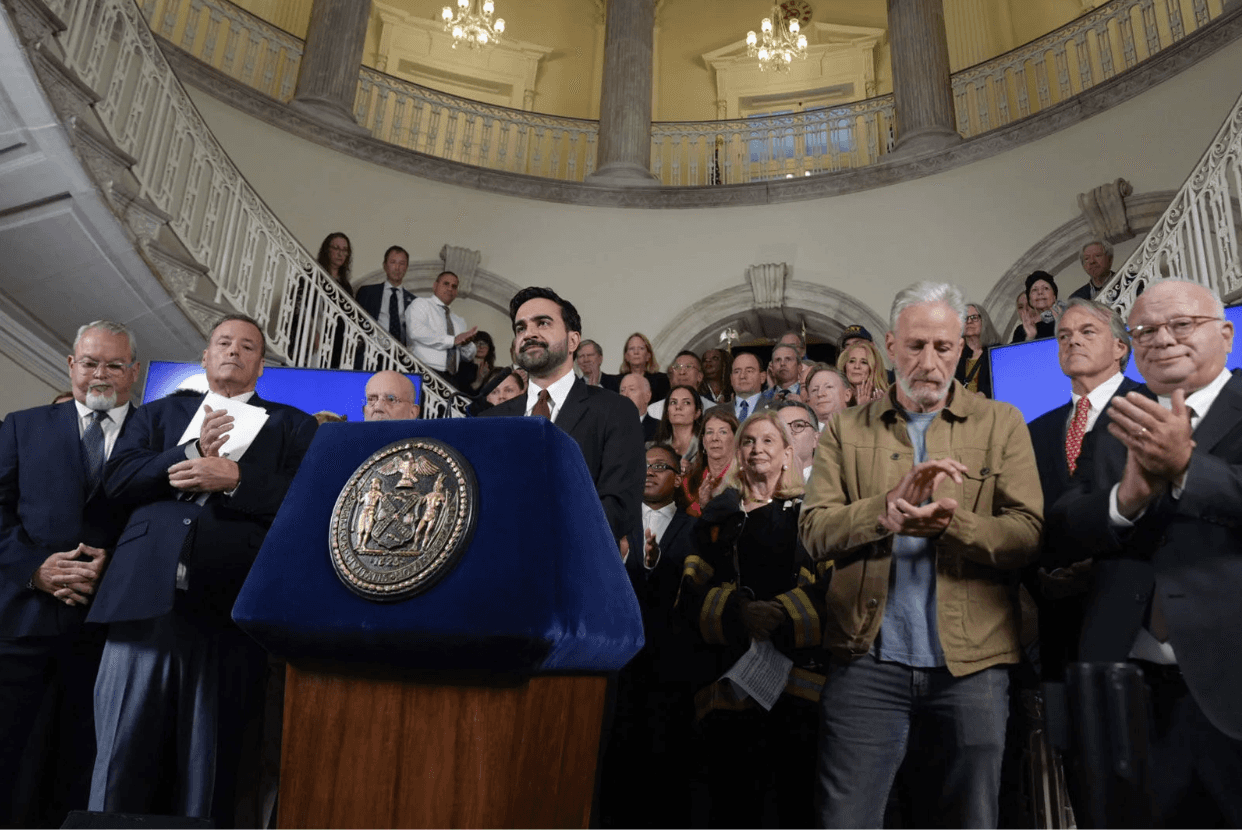
Mayor Mamdani ultimately attended the main ceremony and multiple 9/11 events on Friday. He also issued an executive order that designated Sept. 11 as an annual official “Day of Remembrance and Service,” which requires the city administration to designate a moment of silence to honor those impacted by the attacks.
Mamdani’s administration established a task force for emergency preparedness, launched the first public City portal for 9/11 records and dedicated personnel to help New Yorkers access records and federal health and compensation programs.
“Islamophobia has not won the day in New York,” Judiciary Advisory Board chair and longtime Mamdani ally Ali Najmi said.
Despite the calls for his absence, a September survey from Suffolk University concluded that nearly 74% of New Yorkers believed Mamdani should attend the commemoration as an official representative of the city.
This past Friday marked the 25th anniversary of the tragic attacks of Sept. 11, 2001. Across the city of New York, a slew of memorial services and commemorations took place to honor the lives lost and pay tribute to the families and communities that were forever impacted.
Mayor Zohran Kwame Mamdani, New York City’s first Muslim mayor, has been thrust into intense public scrutiny and mounting pressure over his place at the 9/11 commemorations. While the grief of 9/11 remains deeply felt, its lasting legacy extends beyond remembrance and continues to shape conversations surrounding belonging in America, who gets to grieve and Muslim identity within America.
From former New York City mayors to members of the public, some critics have argued that his presence at the 9/11 commemorations would be disrespectful and offensive to those who lost loved ones in the attacks.
A Florida resident who flew into New York for the ceremonies shared the sentiment.
“I mean, as the mayor, I would assume he has the right to be here but who he represents and the people he's affiliated with I feel that he should stay away,” he said.
For others, Mamdani’s Muslim faith has become a part of the conversation, with some describing him as “un-American” and comparisons being drawn between the mayor’s religion and the faith of those who carried out the 9/11 attacks.
“[Those responsible for the 9/11 attacks] weren’t hiding it like Mamdani is trying to hide it,” said former New York City Mayor Rudy Giuliani.
Opposition to Mamdani’s presence at the memorial eventually culminated in a petition calling for him to be barred from attending the ceremony, while organizers denied that his religion played a role in their reluctance.
That petition garnered around 115,000 signatures as of Sept. 13, and lists an array of concerns about Mayor Mamdani’s “public positions, associations and responses to rhetoric that many perceive as hostile.” Many of the concerns cited in the petition center on the statements of individuals allegedly associated with the mayor, rather than his own actions.
The controversy surrounding Mamdani’s attendance offers a glimpse into the ways anti-Muslim prejudice continues to shape perceptions of Muslim belonging within America, particularly when Muslim identity is framed as incompatible with what it means to be American.
In Mamdani’s case, the attention surrounding his role as mayor reflects how identity can become an additional layer of scrutiny for public officials, particularly when that identity challenges assumptions about who belongs in positions of power.
Mamdani has used the added scrutiny as an opportunity to redirect the conversation back towards the families, survivors and first responders.
“I’m proud to be the mayor of this city. I love this city. I love this country,” Mamdani said. “And what I want this week to be a focus on is on the families whose loved ones were stolen from them 25 years ago in the horrific act of terror of Sept. 11, and a focus also on the first responders who gave everything they could to this city and to the people who came together to try and help their fellow New Yorkers.”
Mayor Mamdani ultimately attended the main ceremony and multiple 9/11 events on Friday. He also issued an executive order that designated Sept. 11 as an annual official “Day of Remembrance and Service,” which requires the city administration to designate a moment of silence to honor those impacted by the attacks.
Mamdani’s administration established a task force for emergency preparedness, launched the first public City portal for 9/11 records and dedicated personnel to help New Yorkers access records and federal health and compensation programs.
“Islamophobia has not won the day in New York,” Judiciary Advisory Board chair and longtime Mamdani ally Ali Najmi said.
Despite the calls for his absence, a September survey from Suffolk University concluded that nearly 74% of New Yorkers believed Mamdani should attend the commemoration as an official representative of the city.