Lorna Morris
Lorna Morris
Love, Sex and Longing: The AUC Vagina Monologues
Love, Sex and Longing: The AUC Vagina Monologues
At 7:30 p.m. in Sisters Chapel on Mar. 19, 2026, 17 performers from institutions in the AUC gathered to entertain students with songs, poetry, dances and other creative expressions to explore the female experience of love.
The AUC Vagina Monologues, running for approximately 90 minutes, was a rendition of the original Off-Broadway show “Vagina Monologues.” This was created by Eve Ensler in 1996 to explore and highlight the complexities of female identity, sexuality and emotion. The show focused on creatively telling the stories of over 200 women from diverse backgrounds that Ensler interviewed and their experience having a vagina.
In this same vein, the AUC Vagina Monologues depict, dissect and discuss the unique experience of young women and teens through a modern gaze. While all 16 performances connected to female sexuality and experience, each performance was distinctive in its message and storytelling.
The show opened with a poignant poem, “All the Things We Leave Unspoken” by Cavitt Fowler III, about love lost from a woman from the male perspective. This poem demonstrated the double-sided nature of breakups and lost connections. The show then moved to a mixed-media performance that used lights and videos to portray the complex dynamic of power and love while commenting on how women, especially girls, struggle to maintain power and identity in difficult relationships. This performance crucially shifted the tone of the show by ending with the voiceover line, “I’m finally choosing not to confuse power with love, I'm done.”
One of the recurring experiences described in the AUC Vagina Monologues was the female transition from girlhood to womanhood. In the fifth act, “Leave My Hips On the Dresser” by Karma London, a poem was read describing the positive attention that comes from physical changes but also the self-monitoring and public judgment that comes with growing up.
“Suddenly I wasn’t a kid anymore, just a shape. Was this what womanhood feels like or danger?” Karma London said.
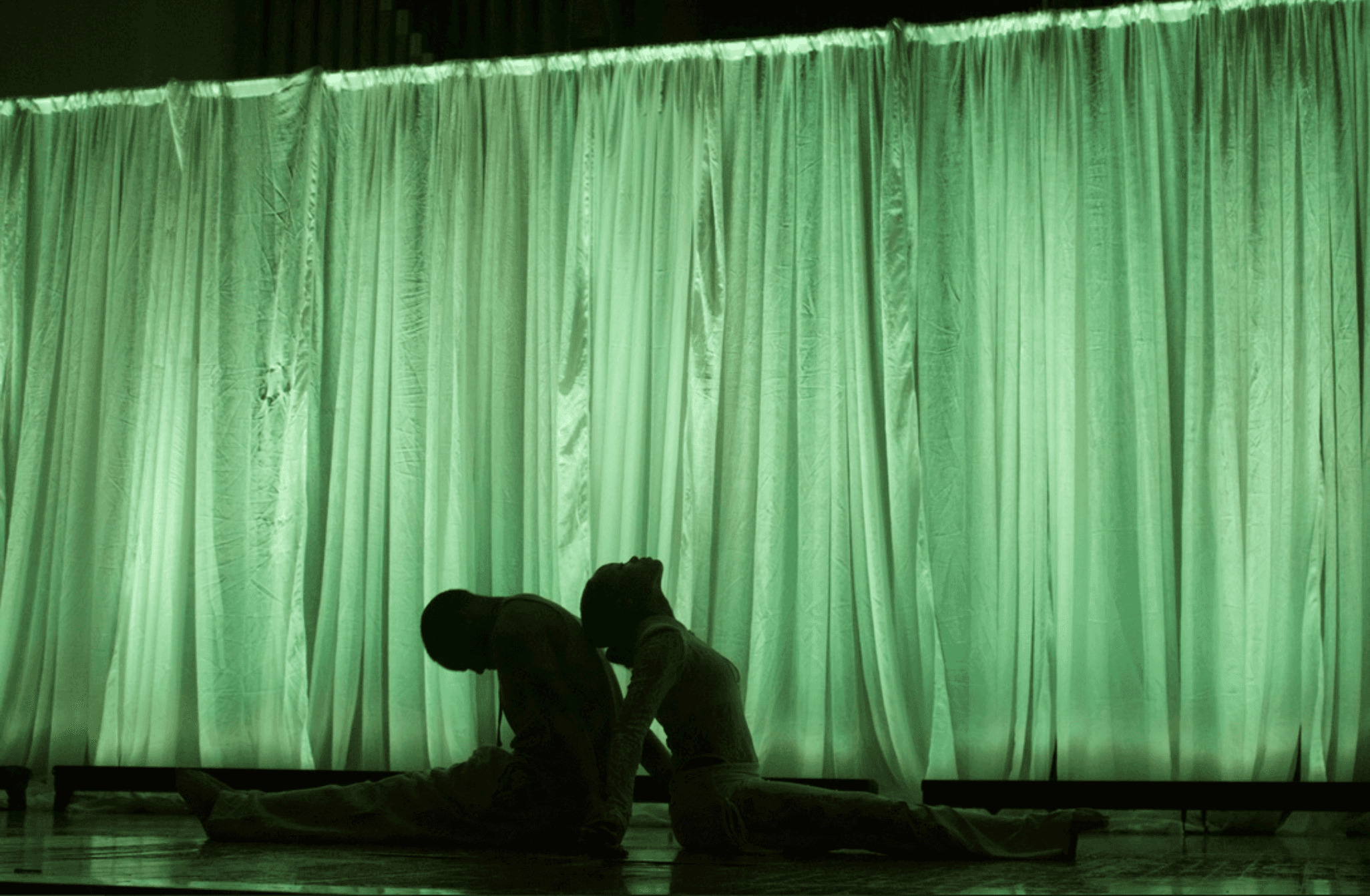
The separation between growth and danger was not just echoed in the words of the performers but also the lighting, set design and costuming. While some performers adopted an elegant glam look in black dresses and heels, others embraced more risqué or unique outfits to connect with the message of their piece.
For example, in “Him, All Eyes, All Mine,” Chelsea Park wore feminine, childlike pajamas while reading her diary and contemplating the implications of admitting to herself and her crush that she did not want to be friends but wanted “a ring on my finger and a family of three.”
This act and similar costume changes elicited cheers and sighs from the audience as performers reflected the emotions and appearance of feminine love and sexuality.
The energy in the room and from the performers did not die down after the 10-minute intermission that was filled with conversation and dancing. When the show continued with the ninth act, the tone shifted. Instead of the more delicate focus on feelings and the lead-up or let down of love, the second act of the show was focused on enjoying life, pleasure and feminine power.
One standout performance was act 12, a spoken-word piece called “The Altar I Am” delivered by Alex. This spoken-word piece stood out because it spoke of love and sex from the perspective of a virgin religiously shamed for her desire and simultaneously shamed for not being “woman enough.”
“If virginity is a myth, why do I hold it so tightly? Here I am a woman trying to reconcile hunger and holiness,” Alex said.
Following the impassioned spoken word poetry about longing, and the discussions on becoming a woman, the show finished off its final acts with joy and power. The song “The Way” by Jill Scott, sung by Karrington Johnson, was enthusiastically accompanied by the audience. Next, a poem titled “Don’t Call Me Sexy, My Name Is…” by Xyen James was performed about the importance of being recognized as more than a body but an immeasurable force. The final act of the show was a romantic partner dance performance that audibly wowed the audience with its passion and technical skill.
Although the AUC Vagina Monologues may have only been a one-night show, it was not a one-night process. Preparation for the show began in November 2025 where approximately 25 performers auditioned, the biggest turnout in the seven years of running the show.
The directors of the Vagina Monologues, Karrington Johnson and Finley Warren, anticipate the show growing to involve more performers, more audience members and more stories of female sexuality and love.
At 7:30 p.m. in Sisters Chapel on Mar. 19, 2026, 17 performers from institutions in the AUC gathered to entertain students with songs, poetry, dances and other creative expressions to explore the female experience of love.
The AUC Vagina Monologues, running for approximately 90 minutes, was a rendition of the original Off-Broadway show “Vagina Monologues.” This was created by Eve Ensler in 1996 to explore and highlight the complexities of female identity, sexuality and emotion. The show focused on creatively telling the stories of over 200 women from diverse backgrounds that Ensler interviewed and their experience having a vagina.
In this same vein, the AUC Vagina Monologues depict, dissect and discuss the unique experience of young women and teens through a modern gaze. While all 16 performances connected to female sexuality and experience, each performance was distinctive in its message and storytelling.
The show opened with a poignant poem, “All the Things We Leave Unspoken” by Cavitt Fowler III, about love lost from a woman from the male perspective. This poem demonstrated the double-sided nature of breakups and lost connections. The show then moved to a mixed-media performance that used lights and videos to portray the complex dynamic of power and love while commenting on how women, especially girls, struggle to maintain power and identity in difficult relationships. This performance crucially shifted the tone of the show by ending with the voiceover line, “I’m finally choosing not to confuse power with love, I'm done.”
One of the recurring experiences described in the AUC Vagina Monologues was the female transition from girlhood to womanhood. In the fifth act, “Leave My Hips On the Dresser” by Karma London, a poem was read describing the positive attention that comes from physical changes but also the self-monitoring and public judgment that comes with growing up.
“Suddenly I wasn’t a kid anymore, just a shape. Was this what womanhood feels like or danger?” Karma London said.
The separation between growth and danger was not just echoed in the words of the performers but also the lighting, set design and costuming. While some performers adopted an elegant glam look in black dresses and heels, others embraced more risqué or unique outfits to connect with the message of their piece.
For example, in “Him, All Eyes, All Mine,” Chelsea Park wore feminine, childlike pajamas while reading her diary and contemplating the implications of admitting to herself and her crush that she did not want to be friends but wanted “a ring on my finger and a family of three.”
This act and similar costume changes elicited cheers and sighs from the audience as performers reflected the emotions and appearance of feminine love and sexuality.
The energy in the room and from the performers did not die down after the 10-minute intermission that was filled with conversation and dancing. When the show continued with the ninth act, the tone shifted. Instead of the more delicate focus on feelings and the lead-up or let down of love, the second act of the show was focused on enjoying life, pleasure and feminine power.
One standout performance was act 12, a spoken-word piece called “The Altar I Am” delivered by Alex. This spoken-word piece stood out because it spoke of love and sex from the perspective of a virgin religiously shamed for her desire and simultaneously shamed for not being “woman enough.”
“If virginity is a myth, why do I hold it so tightly? Here I am a woman trying to reconcile hunger and holiness,” Alex said.
Following the impassioned spoken word poetry about longing, and the discussions on becoming a woman, the show finished off its final acts with joy and power. The song “The Way” by Jill Scott, sung by Karrington Johnson, was enthusiastically accompanied by the audience. Next, a poem titled “Don’t Call Me Sexy, My Name Is…” by Xyen James was performed about the importance of being recognized as more than a body but an immeasurable force. The final act of the show was a romantic partner dance performance that audibly wowed the audience with its passion and technical skill.
Although the AUC Vagina Monologues may have only been a one-night show, it was not a one-night process. Preparation for the show began in November 2025 where approximately 25 performers auditioned, the biggest turnout in the seven years of running the show.
The directors of the Vagina Monologues, Karrington Johnson and Finley Warren, anticipate the show growing to involve more performers, more audience members and more stories of female sexuality and love.