Getty Images
Getty Images
Dear Hollywood, Stop Whitewashing the Arts
Dear Hollywood, Stop Whitewashing the Arts
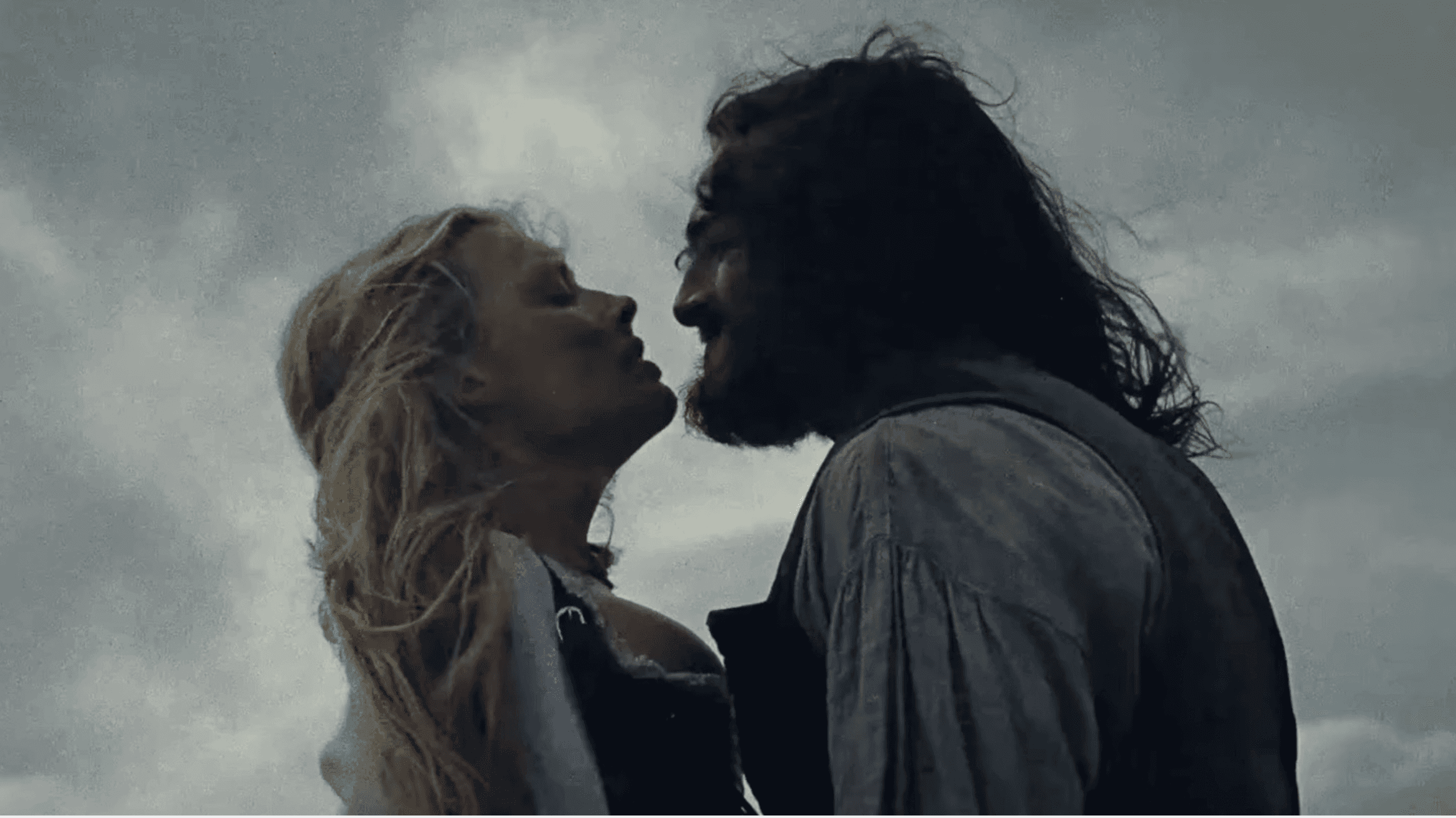
Whitewashing, for the sake of “marketability,” does the arts an immense disservice. Director Emerald Fennell has perpetuated this disservice in her recent film adaptation of “Wuthering Heights.”
Originally written by Emily Brontë, the story of “Wuthering Heights” unfolds through the eyes of outsiders who try to unravel the events that occurred at the Wuthering Heights estate. Three decades prior, the Earnshaw family took in a “gypsy brat” child from Liverpool, a city historically linked to the slave trade, whose origins were unknown. This child was Heathcliff.
Heathcliff grows up with Catherine Earnshaw, and although they develop a powerful bond, the strict social structures and prejudices of the time keep them from being together romantically. In his frustration, Heathcliff leaves Wuthering Heights. When he returns, now educated and affluent, he finds that Catherine has married someone else. This sets off a grim cycle of emotional turmoil that continues into the next generation. Unable to move on from Catherine, Heathcliff claims to be tormented by her spirit even after her death.
The casting of Jacob Elordi as Heathcliff, described as a “lascar” and a “dark-skinned gipsy in aspect,” has sparked conversations about Hollywood’s repeated offenses of whitewashing literature and casting white actors in roles meant for actors of color.
Fennell has responded to this controversy, defending her direction choices and interpretation of the narrative. The story is too “dense, complicated and difficult,” Fennell said.
She also stated that her 2026 film adaptation of “Wuthering Heights” was intended to capture her “dreamlike” personal experience of reading the novel as a teenager.
This is problematic, to say the least. Art is rarely intended to be easy, simple or monotonous. Its beauty often lies in its complexity and discomfort.
What Fennell and many other directors in Hollywood want to convey is not that these narratives are too complicated, but rather that they are not digestible enough, not marketable enough and not white enough for their intended audience.
We see this trend of Asian, Black and overall racial erasure being practiced in many other films produced in Hollywood.
For example, Angelina Jolie was cast for the role of an African-American woman in the movie “Wanted” (2008), an action film distributed by Universal Pictures. She also played a mixed-race Black woman in “A Mighty Heart” (2007), a film that went on to receive a Golden Globe Award nomination for “Best Performance by an Actress in a Motion Picture.”
Similarly, Ben Affleck cast himself as the lead, Tony Mendez, a Mexican American man, in the Academy Award-winning film “Argo” (2012).
Jake Gyllenhaal was cast over an Iranian actor for the lead role in Disney’s “Prince of Persia,” a film that ultimately flopped due to this casting decision.
All of these films were created in the last two decades, and the list continues. The same 20 years that have fostered significant positive societal changes in policy and media. Changes that have not only reshaped public discourse but have also led to more inclusive and progressive approaches to social issues, like whitewashing the arts and history.
There is power in the art, but there is even more power in the artist. Emerald Fennell, like many of the other white directors in Hollywood, had the platform and power to depict the narratives of “Wuthering Heights” as she chose, biases and partialities included. It is for this reason that representation in media and the arts is imperative.
The arts and entertainment industry needs more directors, producers, actors, screenwriters and creatives of color. The narratives of people of color are more than just marketable, they are priceless and deserve to be showcased on the big screen.
Whitewashing, for the sake of “marketability,” does the arts an immense disservice. Director Emerald Fennell has perpetuated this disservice in her recent film adaptation of “Wuthering Heights.”
Originally written by Emily Brontë, the story of “Wuthering Heights” unfolds through the eyes of outsiders who try to unravel the events that occurred at the Wuthering Heights estate. Three decades prior, the Earnshaw family took in a “gypsy brat” child from Liverpool, a city historically linked to the slave trade, whose origins were unknown. This child was Heathcliff.
Heathcliff grows up with Catherine Earnshaw, and although they develop a powerful bond, the strict social structures and prejudices of the time keep them from being together romantically. In his frustration, Heathcliff leaves Wuthering Heights. When he returns, now educated and affluent, he finds that Catherine has married someone else. This sets off a grim cycle of emotional turmoil that continues into the next generation. Unable to move on from Catherine, Heathcliff claims to be tormented by her spirit even after her death.
The casting of Jacob Elordi as Heathcliff, described as a “lascar” and a “dark-skinned gipsy in aspect,” has sparked conversations about Hollywood’s repeated offenses of whitewashing literature and casting white actors in roles meant for actors of color.
Fennell has responded to this controversy, defending her direction choices and interpretation of the narrative. The story is too “dense, complicated and difficult,” Fennell said.
She also stated that her 2026 film adaptation of “Wuthering Heights” was intended to capture her “dreamlike” personal experience of reading the novel as a teenager.
This is problematic, to say the least. Art is rarely intended to be easy, simple or monotonous. Its beauty often lies in its complexity and discomfort.
What Fennell and many other directors in Hollywood want to convey is not that these narratives are too complicated, but rather that they are not digestible enough, not marketable enough and not white enough for their intended audience.
We see this trend of Asian, Black and overall racial erasure being practiced in many other films produced in Hollywood.
For example, Angelina Jolie was cast for the role of an African-American woman in the movie “Wanted” (2008), an action film distributed by Universal Pictures. She also played a mixed-race Black woman in “A Mighty Heart” (2007), a film that went on to receive a Golden Globe Award nomination for “Best Performance by an Actress in a Motion Picture.”
Similarly, Ben Affleck cast himself as the lead, Tony Mendez, a Mexican American man, in the Academy Award-winning film “Argo” (2012).
Jake Gyllenhaal was cast over an Iranian actor for the lead role in Disney’s “Prince of Persia,” a film that ultimately flopped due to this casting decision.
All of these films were created in the last two decades, and the list continues. The same 20 years that have fostered significant positive societal changes in policy and media. Changes that have not only reshaped public discourse but have also led to more inclusive and progressive approaches to social issues, like whitewashing the arts and history.
There is power in the art, but there is even more power in the artist. Emerald Fennell, like many of the other white directors in Hollywood, had the platform and power to depict the narratives of “Wuthering Heights” as she chose, biases and partialities included. It is for this reason that representation in media and the arts is imperative.
The arts and entertainment industry needs more directors, producers, actors, screenwriters and creatives of color. The narratives of people of color are more than just marketable, they are priceless and deserve to be showcased on the big screen.