Atlanta Public Schools
Atlanta Public Schools
Community over Cost: The AUC’s Fight to Save Dunbar Elementary
Community over Cost: The AUC’s Fight to Save Dunbar Elementary
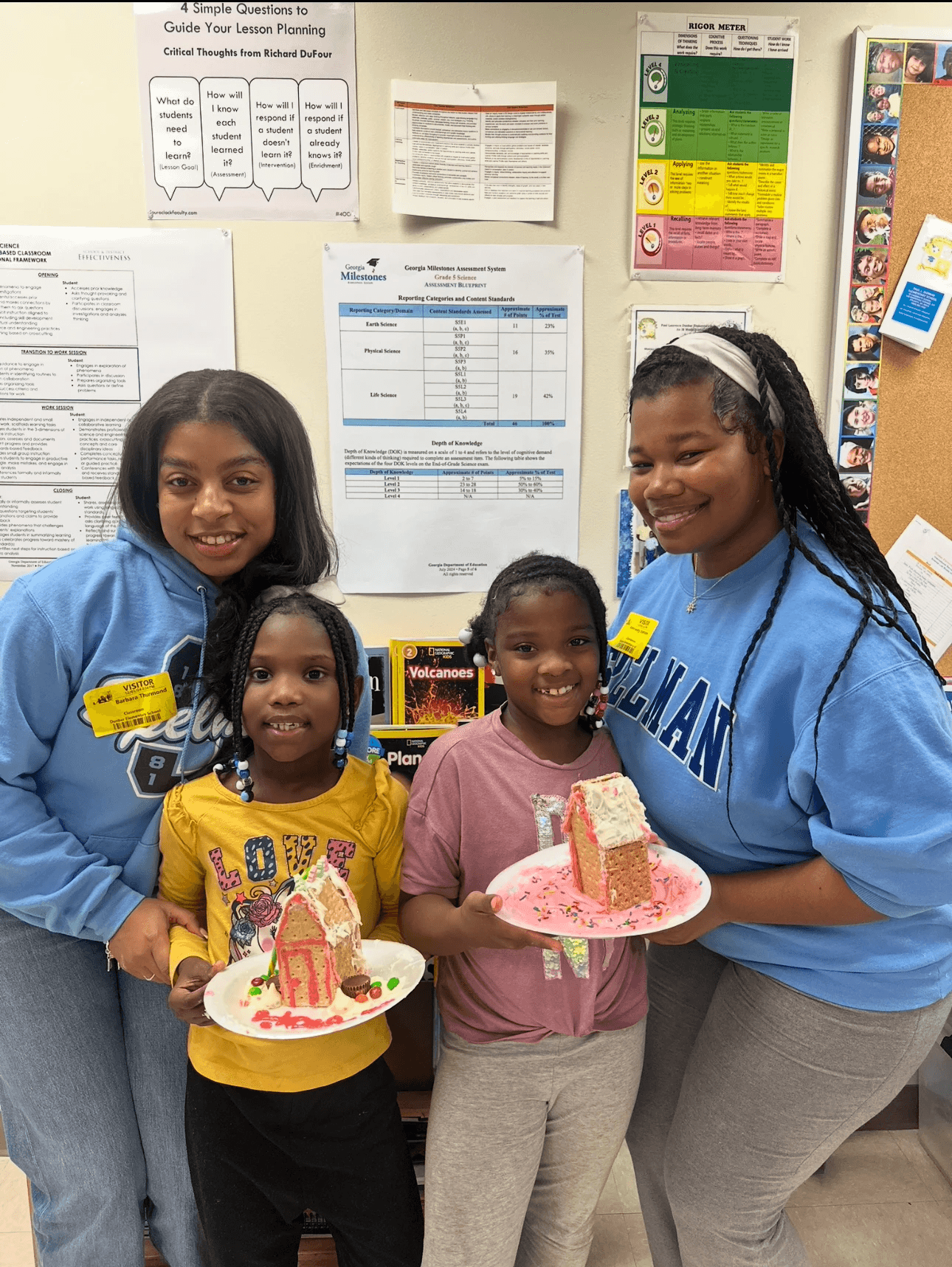
Morehouse College Baseball and Martha Mundell
Atlanta Public Schools (APS) announced their plan to repurpose 16 schools in the district in an attempt to save approximately $20 million in operational costs and defer $65 million in potential maintenance costs. Dunbar Elementary School will unfortunately bear the brunt of this crippling initiative. For AUC students and families of the Mechanicsville neighborhood, Dunbar is more than just a school. It is a community pillar, a safe space and a landmark that many call home.
The district intends to repurpose the facilities and relocate these students to other schools through an effort known as the APS Forward 2040 proposal. If voted on by the Atlanta Board of Education later in November, these closures will occur at the start of the 2027 school year.
APS claims that enrollment rates are low at Dunbar, making it more cost effective to close it. However, the school argues that enrollment at Dunbar has increased 33% in the 2024-2025 school year, and new construction in the neighborhood is expected to foster growth.
If the decision is finalized, Dunbar students will be relocated to other APS elementary schools such as Parkside, Benteen and Michelle and Barack Obama Schools (BAMOS).
However, this seems counter productive and detrimental to outsiders looking in.
With the Dunbar students already performing below the state average, overcrowding the new schools and reducing the individual attention they received will only further hinder the children’s ability to effectively learn and grow.
According to junior Dunbar volunteer Martha Mundell, This decision reflects the school system’s lack of care for the students’ well-being and a greater concern for budget-savings.
“Students need to know that they are cared about,” Mundell said. “One of my biggest issues with this plan is that it reinforces that school is just about results, statistics and money. We must shift our focus from statistics and output and really focus on community building.”
Another point of concern is the impact on families without cars who take their children to school by foot. With 86% of the student population being walkers, it could pose major issues if these students do not have direct modes of transportation to and from school and extracurricular activities once relocated.
Additionally, a majority of the children attend the Dunbar Center, an after school program facility adjacent to the school. Since the center operates independently, students do not use district transportation, which would further complicate students’ routines if placed in a school farther away.
Sheltering Arms, an early childhood education program housed inside of Dunbar Elementary, is expected to remain open. This raises many questions, as community members question if the repurposing costs would even be effective if Sheltering Arms is present.
Many of the Sheltering Arms graduates transition into the grade school, and closing it will force the students to travel outside of their neighborhood in order to continue their education.
Several Dunbar students who have known their classmates as early as six weeks old at Sheltering Arms, will be separated from them during very formative years.
“I’ve realized how much the system and the environments these kids grow up in have failed them unfortunately,” junior Morehouse College Bonner Scholar Amir Staten said.
For Guidance Counselor Anita Bouie, Dunbar is a village. She has consistently nurtured this village for 14 years through her passion for pouring into the students. If a student comes into her office hungry, she always ensures that they walk out on a full stomach. If someone’s pants are too big, she always has an extra pair waiting for them. If a student is absent, she takes the initiative to call the family to see how the school can support them.
“They have shaped me more than I have shaped them. They have helped me strive for greater,” Bouie said. “Being with these little people has changed my whole perspective as a counselor, seeing what they need to fulfill themselves as little human beings and productive citizens of our world.”
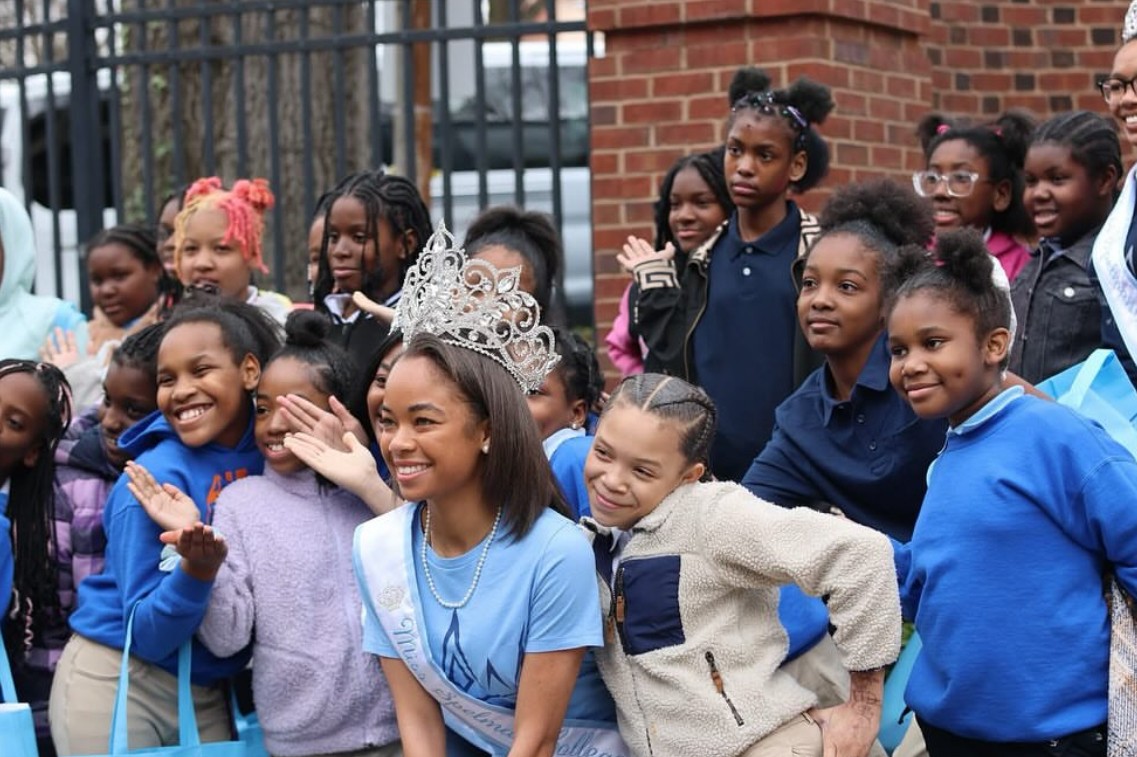
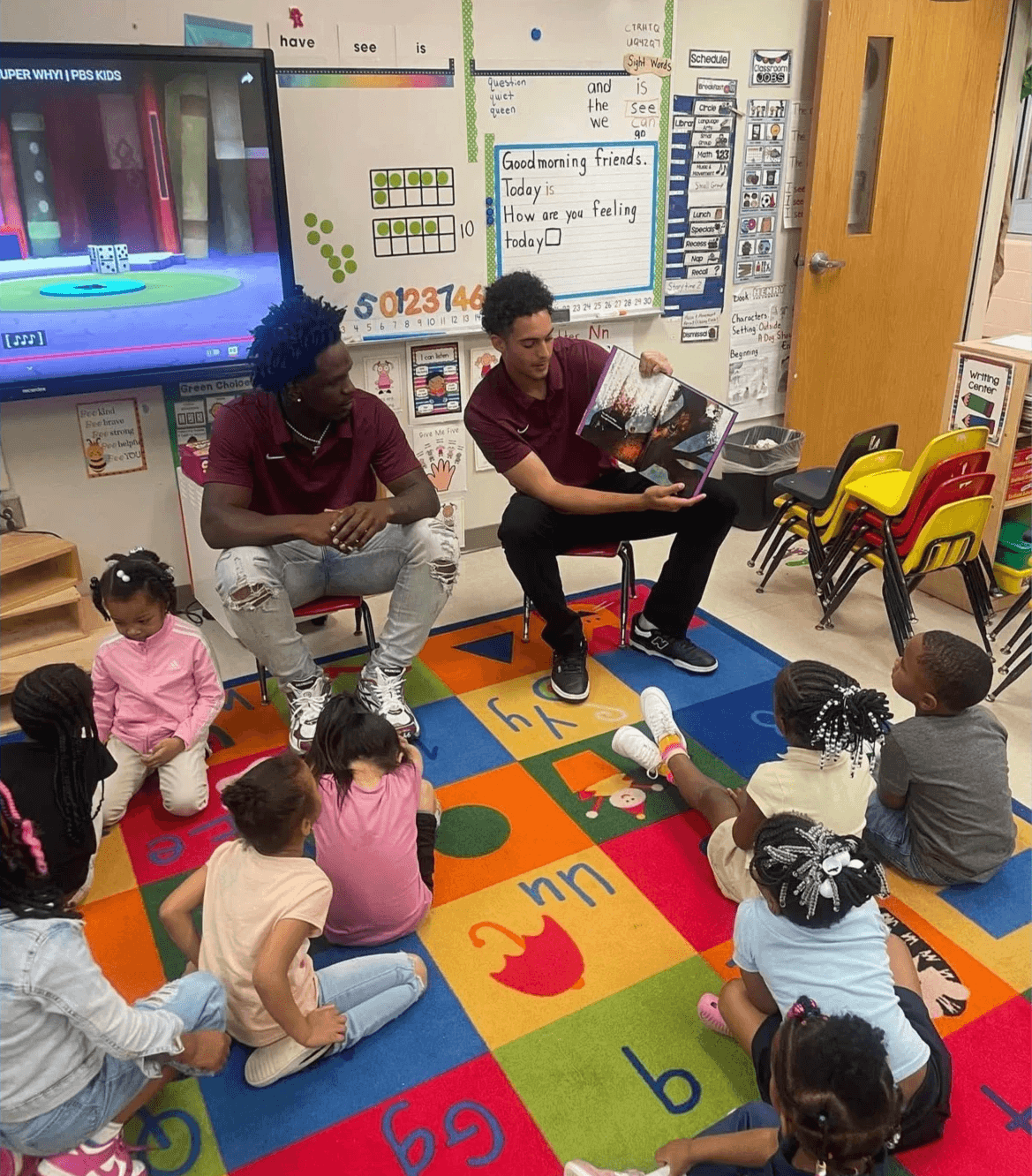
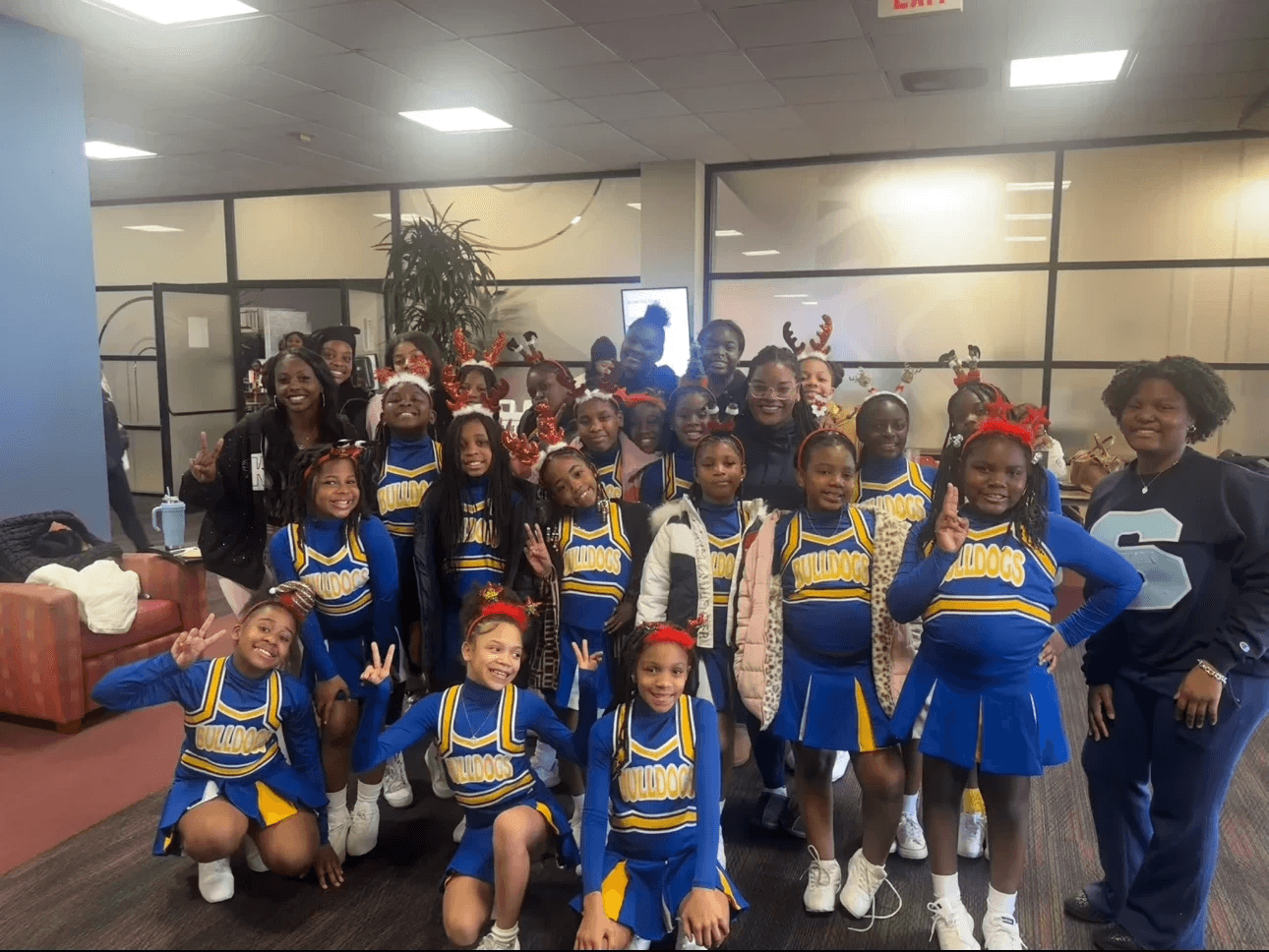
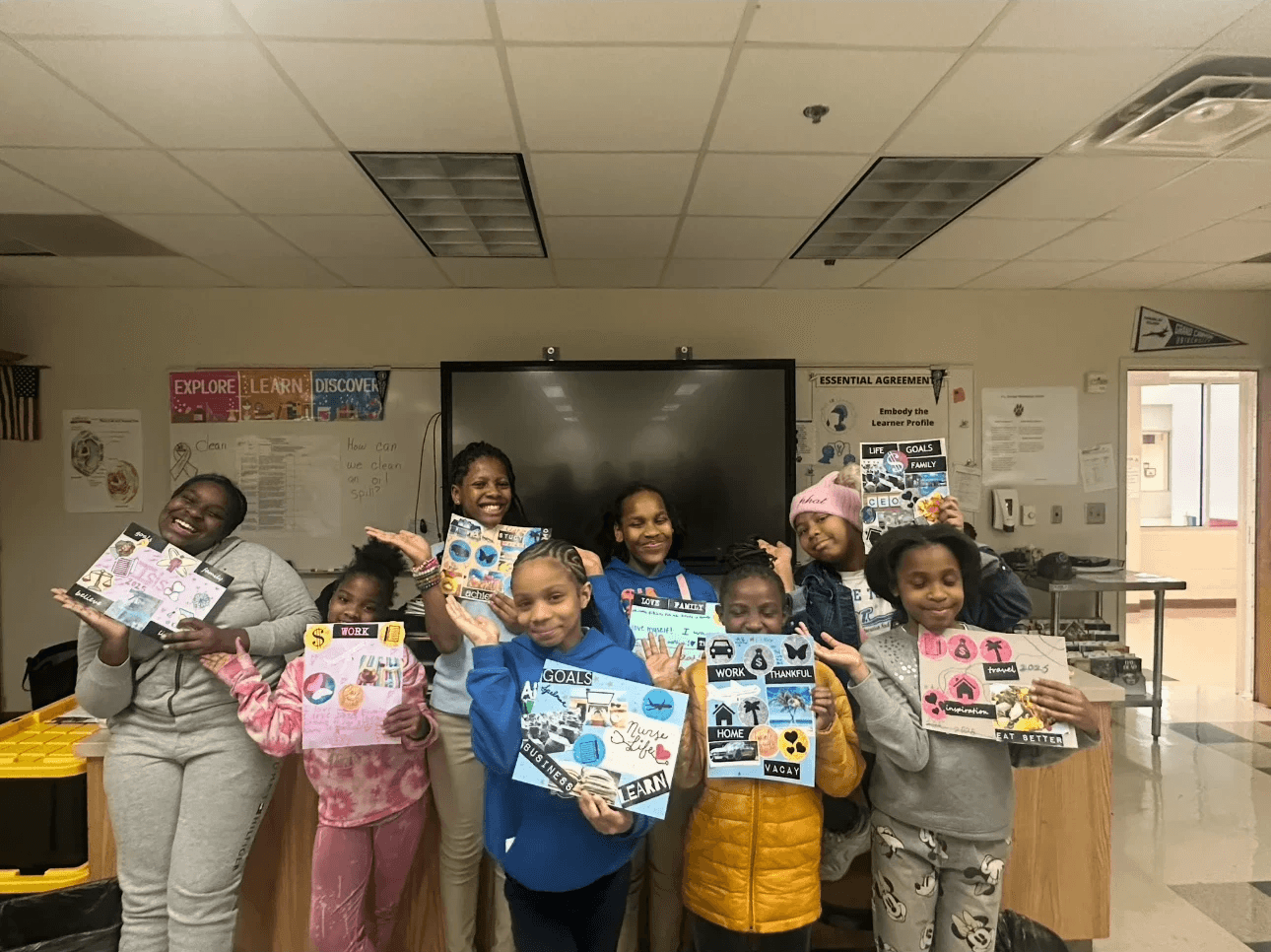
She also highlights Dunbar's unique relationship with AUC students, how their mentorship uplifts students. From the Bonner Scholars Program to SpelREADS to Morehouse School of Medicine: Black Men In White Coats and Mentorship, Dunbar has provided these children with people and resources in a way that no other elementary school has.
“Not only do a lot of students serve as mentors, but they serve as big sisters and brothers to a lot of our kids. Without Dunbar, I think students will lose that aspect of seeing the college life. It has really given students a glimpse of what their future could be like,” Bouie said.
She says that this decision could also hurt AUC students who have ideas for ways in which they can give back, and use Dunbar as an outlet to execute.
“We have to give back to our community because though I’m not from Atlanta, we came here to further our education so I think it’s only right that he help students that live here become better scholars and leaders,” junior Bonner Scholar Sydney Shaw said.
Shaw has worked with Dunbar since her freshman year. Her passion for the school is manifested in her leadership of signature programming such as “Holiday Haircuts”, where she brings AUC campus hair stylists and barbers to Dunbar to provide free haircuts and braids to 150 students per semester.
“My first ‘Holiday Haircuts’, a lot of students said ‘I never get to get my hair done like this’, so it really felt so fulfilling for me as a servant leader because I was able to connect stylists and barbers from the AUC who don’t usually volunteer and it was fun seeing light come to the students’ faces,” Shaw said.
Shaw points out that though students might be displaced and AUC students could volunteer elsewhere, these programs cannot simply be replicated at every single school. They were meticulously cultivated over the years specifically at Dunbar.
The closing of the school would mean starting from scratch.
Mundell has aspirations of becoming a public school teacher, and Dunbar has been the ideal introduction to the world of education. As a literacy tutor and writing coach at Dunbar, Mundell believes that the connections she has formed with the students and her tangible impact on them is priceless.
“Students will come up to me like ‘Ms. Martha I want to show you my writing, I think I’m getting so much better’. As someone who loves to write, seeing the joy in their eyes and their love of writing is invaluable,” Mundell said.
Determined to take action, Shaw reached out to her classmates and used social media to organize a demonstration at the first public hearing on Nov. 5 at 130 Trinity Ave. in downtown Atlanta at 5 p.m. To rally support, she has created a GroupMe titled “Save Dunbar” with roughly 200 AUC students on it.
She intends to speak on the docket in order to share the robust impression that Dunbar has left in the community, along with the devastating consequences of closing it.
Atlanta Public Schools (APS) announced their plan to repurpose 16 schools in the district in an attempt to save approximately $20 million in operational costs and defer $65 million in potential maintenance costs. Dunbar Elementary School will unfortunately bear the brunt of this crippling initiative. For AUC students and families of the Mechanicsville neighborhood, Dunbar is more than just a school. It is a community pillar, a safe space and a landmark that many call home.
The district intends to repurpose the facilities and relocate these students to other schools through an effort known as the APS Forward 2040 proposal. If voted on by the Atlanta Board of Education later in November, these closures will occur at the start of the 2027 school year.
APS claims that enrollment rates are low at Dunbar, making it more cost effective to close it. However, the school argues that enrollment at Dunbar has increased 33% in the 2024-2025 school year, and new construction in the neighborhood is expected to foster growth.
If the decision is finalized, Dunbar students will be relocated to other APS elementary schools such as Parkside, Benteen and Michelle and Barack Obama Schools (BAMOS).
However, this seems counter productive and detrimental to outsiders looking in.
With the Dunbar students already performing below the state average, overcrowding the new schools and reducing the individual attention they received will only further hinder the children’s ability to effectively learn and grow.
According to junior Dunbar volunteer Martha Mundell, This decision reflects the school system’s lack of care for the students’ well-being and a greater concern for budget-savings.
“Students need to know that they are cared about,” Mundell said. “One of my biggest issues with this plan is that it reinforces that school is just about results, statistics and money. We must shift our focus from statistics and output and really focus on community building.”
Another point of concern is the impact on families without cars who take their children to school by foot. With 86% of the student population being walkers, it could pose major issues if these students do not have direct modes of transportation to and from school and extracurricular activities once relocated.
Additionally, a majority of the children attend the Dunbar Center, an after school program facility adjacent to the school. Since the center operates independently, students do not use district transportation, which would further complicate students’ routines if placed in a school farther away.
Sheltering Arms, an early childhood education program housed inside of Dunbar Elementary, is expected to remain open. This raises many questions, as community members question if the repurposing costs would even be effective if Sheltering Arms is present.
Many of the Sheltering Arms graduates transition into the grade school, and closing it will force the students to travel outside of their neighborhood in order to continue their education.
Several Dunbar students who have known their classmates as early as six weeks old at Sheltering Arms, will be separated from them during very formative years.
“I’ve realized how much the system and the environments these kids grow up in have failed them unfortunately,” junior Morehouse College Bonner Scholar Amir Staten said.
For Guidance Counselor Anita Bouie, Dunbar is a village. She has consistently nurtured this village for 14 years through her passion for pouring into the students. If a student comes into her office hungry, she always ensures that they walk out on a full stomach. If someone’s pants are too big, she always has an extra pair waiting for them. If a student is absent, she takes the initiative to call the family to see how the school can support them.
“They have shaped me more than I have shaped them. They have helped me strive for greater,” Bouie said. “Being with these little people has changed my whole perspective as a counselor, seeing what they need to fulfill themselves as little human beings and productive citizens of our world.”
She also highlights Dunbar's unique relationship with AUC students, how their mentorship uplifts students. From the Bonner Scholars Program to SpelREADS to Morehouse School of Medicine: Black Men In White Coats and Mentorship, Dunbar has provided these children with people and resources in a way that no other elementary school has.
“Not only do a lot of students serve as mentors, but they serve as big sisters and brothers to a lot of our kids. Without Dunbar, I think students will lose that aspect of seeing the college life. It has really given students a glimpse of what their future could be like,” Bouie said.
She says that this decision could also hurt AUC students who have ideas for ways in which they can give back, and use Dunbar as an outlet to execute.
“We have to give back to our community because though I’m not from Atlanta, we came here to further our education so I think it’s only right that he help students that live here become better scholars and leaders,” junior Bonner Scholar Sydney Shaw said.
Shaw has worked with Dunbar since her freshman year. Her passion for the school is manifested in her leadership of signature programming such as “Holiday Haircuts”, where she brings AUC campus hair stylists and barbers to Dunbar to provide free haircuts and braids to 150 students per semester.
“My first ‘Holiday Haircuts’, a lot of students said ‘I never get to get my hair done like this’, so it really felt so fulfilling for me as a servant leader because I was able to connect stylists and barbers from the AUC who don’t usually volunteer and it was fun seeing light come to the students’ faces,” Shaw said.
Shaw points out that though students might be displaced and AUC students could volunteer elsewhere, these programs cannot simply be replicated at every single school. They were meticulously cultivated over the years specifically at Dunbar.
The closing of the school would mean starting from scratch.
Mundell has aspirations of becoming a public school teacher, and Dunbar has been the ideal introduction to the world of education. As a literacy tutor and writing coach at Dunbar, Mundell believes that the connections she has formed with the students and her tangible impact on them is priceless.
“Students will come up to me like ‘Ms. Martha I want to show you my writing, I think I’m getting so much better’. As someone who loves to write, seeing the joy in their eyes and their love of writing is invaluable,” Mundell said.
Determined to take action, Shaw reached out to her classmates and used social media to organize a demonstration at the first public hearing on Nov. 5 at 130 Trinity Ave. in downtown Atlanta at 5 p.m. To rally support, she has created a GroupMe titled “Save Dunbar” with roughly 200 AUC students on it.
She intends to speak on the docket in order to share the robust impression that Dunbar has left in the community, along with the devastating consequences of closing it.