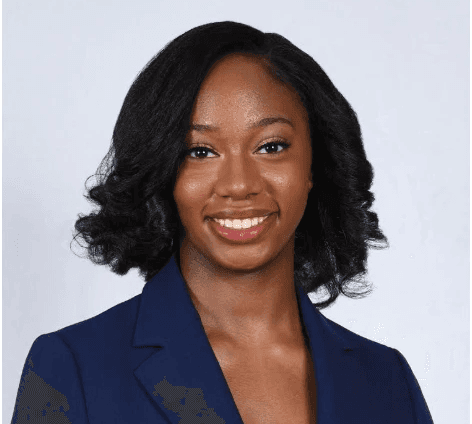
Amaya Hall
Amaya Hall
Breaking Silence, Building Support: Amaya Hall Leads Support Group for Survivors
Breaking Silence, Building Support: Amaya Hall Leads Support Group for Survivors
At many colleges, conversations around sexual consent and survivor support are often difficult but necessary. At Spelman College, sophomore Amaya Hall (C’O 2028) is working to ensure those conversations take place in a space centered on compassion, understanding and healing.
Through a newly organized support group for survivors of sexual assault and domestic violence, Hall is helping to create a community where students can speak openly, learn about consent and boundaries, and support one another.
Hall, a health science major on the pre-medical track from Chicago, said her journey began in July 2025, when she became a survivor herself.
“I was in shock and kind of shut down,” Hall said. “I realized my community needed a space to grieve, cry, and share, and there wasn’t one here.”
Determined to fill that gap, Hall leaned on her experience in advocacy spaces, including her involvement with Justice for Black Girls, an organization led by Spelman alumna Brianna Baker. What followed was persistence and intention.
“I asked around, begged, pleaded, and bothered until it was done,” Hall said. “And it was so worth it.”
The weekly support group centers healing through open conversation, guided journaling and peer support. Sessions are led alongside Paula Hall, assistant director of Spelman Violence Prevention and Intervention for Title IX. Meeting Tuesday evenings in the President’s Dining Room, the group provides a confidential environment where participants can discuss and explore topics such as consent, relationships, and personal boundaries.
Participants also create individualized healing plans and connect with others navigating similar challenges. The group is open to all students seeking community, guidance, and emotional support.
At the intersection of identities as a survivor, Spelman sister and organizer, Hall says these all shaped the creation of the group and her determination to ensure that students know they are not alone and that resources are available to those who need them.
“I wanted to see a change in my community, but it was also a resource I needed for myself,” she said.
At its core, the group is designed to prioritize healing, something Hall believes is often overlooked, especially for Black women.
“Black women, time and time again, are expected to be strong,” Hall said. “I wanted a space of peace to release the emotions society has shamed us for. Stress kills, and I truly believe rest is resistance.”
Sexual violence remains an issue on college campuses nationwide, increasing the need for more safe spaces that center survivor voices, which are critical to healing and awareness. Each meeting is designed to be supportive and participant-driven, allowing students to share as much or as little as they feel comfortable.
“You can cry as much as you want,” Hall said. “Safe expression of anger and sadness is very important in the healing journey.”
The initiative is supported by campus partners, including the Title IX Office and registered student organizations such as SGA, Spelmanites United for Justice, Spelman Sisters In Sync, and B.L.I.S.S mentorship, which focus on advocacy, education, and wellness within the campus community, helping to ensure students have access to information, resources, and professional support if needed.
Hall said conversations about consent and survivor support are critical, especially on college campuses, and encourages students who may feel hesitant to attend to take their time.
“Something so traumatizing can completely knock us off our path during such a transformative time in our lives,” she said. “I understand that fear,” Hall said. “If you need to bring someone with you, do that. If you’re not ready, that’s OK. We will still be here when you are.”
As the group continues to meet throughout the semester, Hall describes one of the most meaningful moments as receiving support from her family, especially given the stigma that can surround conversations about sexual assault.
“Talking about this is not easy,” she said. “But having my family support me has meant everything.”
Looking ahead, Hall hopes to expand the initiative through more partnerships and campuswide conversations, including speaking engagements and collaborative events across the Atlanta University Center, shifting campus culture by normalizing conversations about consent, healing and survivor advocacy within and beyond the Spelman community.
Students interested in joining the support group can attend the weekly sessions or scan the QR code on flyers shared by Spelman Violence Prevention and Intervention for Title IX for more information. Immediate assistance is also available through campus support services.
For Amaya Hall, the mission remains simple: creating a space where survivors feel supported, empowered and heard.
“If you see something wrong in the world, are you going to ignore it or change it?” she said. “Spelman’s motto is A Choice to Change the World, and I made that choice with this group.”
Hall’s work serves as a reminder that healing spaces are not just necessary but also transformative.
At many colleges, conversations around sexual consent and survivor support are often difficult but necessary. At Spelman College, sophomore Amaya Hall (C’O 2028) is working to ensure those conversations take place in a space centered on compassion, understanding and healing.
Through a newly organized support group for survivors of sexual assault and domestic violence, Hall is helping to create a community where students can speak openly, learn about consent and boundaries, and support one another.
Hall, a health science major on the pre-medical track from Chicago, said her journey began in July 2025, when she became a survivor herself.
“I was in shock and kind of shut down,” Hall said. “I realized my community needed a space to grieve, cry, and share, and there wasn’t one here.”
Determined to fill that gap, Hall leaned on her experience in advocacy spaces, including her involvement with Justice for Black Girls, an organization led by Spelman alumna Brianna Baker. What followed was persistence and intention.
“I asked around, begged, pleaded, and bothered until it was done,” Hall said. “And it was so worth it.”
The weekly support group centers healing through open conversation, guided journaling and peer support. Sessions are led alongside Paula Hall, assistant director of Spelman Violence Prevention and Intervention for Title IX. Meeting Tuesday evenings in the President’s Dining Room, the group provides a confidential environment where participants can discuss and explore topics such as consent, relationships, and personal boundaries.
Participants also create individualized healing plans and connect with others navigating similar challenges. The group is open to all students seeking community, guidance, and emotional support.
At the intersection of identities as a survivor, Spelman sister and organizer, Hall says these all shaped the creation of the group and her determination to ensure that students know they are not alone and that resources are available to those who need them.
“I wanted to see a change in my community, but it was also a resource I needed for myself,” she said.
At its core, the group is designed to prioritize healing, something Hall believes is often overlooked, especially for Black women.
“Black women, time and time again, are expected to be strong,” Hall said. “I wanted a space of peace to release the emotions society has shamed us for. Stress kills, and I truly believe rest is resistance.”
Sexual violence remains an issue on college campuses nationwide, increasing the need for more safe spaces that center survivor voices, which are critical to healing and awareness. Each meeting is designed to be supportive and participant-driven, allowing students to share as much or as little as they feel comfortable.
“You can cry as much as you want,” Hall said. “Safe expression of anger and sadness is very important in the healing journey.”
The initiative is supported by campus partners, including the Title IX Office and registered student organizations such as SGA, Spelmanites United for Justice, Spelman Sisters In Sync, and B.L.I.S.S mentorship, which focus on advocacy, education, and wellness within the campus community, helping to ensure students have access to information, resources, and professional support if needed.
Hall said conversations about consent and survivor support are critical, especially on college campuses, and encourages students who may feel hesitant to attend to take their time.
“Something so traumatizing can completely knock us off our path during such a transformative time in our lives,” she said. “I understand that fear,” Hall said. “If you need to bring someone with you, do that. If you’re not ready, that’s OK. We will still be here when you are.”
As the group continues to meet throughout the semester, Hall describes one of the most meaningful moments as receiving support from her family, especially given the stigma that can surround conversations about sexual assault.
“Talking about this is not easy,” she said. “But having my family support me has meant everything.”
Looking ahead, Hall hopes to expand the initiative through more partnerships and campuswide conversations, including speaking engagements and collaborative events across the Atlanta University Center, shifting campus culture by normalizing conversations about consent, healing and survivor advocacy within and beyond the Spelman community.
Students interested in joining the support group can attend the weekly sessions or scan the QR code on flyers shared by Spelman Violence Prevention and Intervention for Title IX for more information. Immediate assistance is also available through campus support services.
For Amaya Hall, the mission remains simple: creating a space where survivors feel supported, empowered and heard.
“If you see something wrong in the world, are you going to ignore it or change it?” she said. “Spelman’s motto is A Choice to Change the World, and I made that choice with this group.”
Hall’s work serves as a reminder that healing spaces are not just necessary but also transformative.